
Why Cold Winters Compact Soil, And How To Fix It
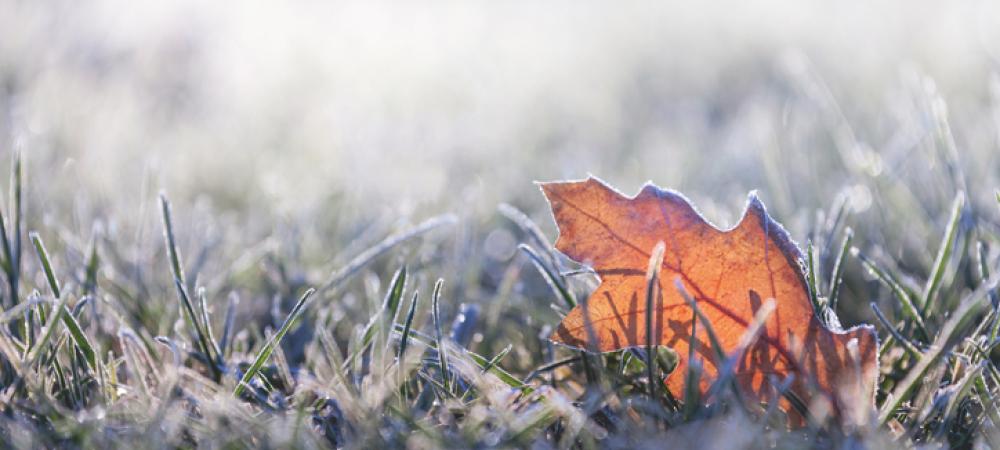
Cold winters compact soil because freezing temperatures and moisture cause the ground to shift and settle, reducing the space between soil particles. This limits the flow of air, water, and nutrients that your lawn needs to grow properly.
While this process happens naturally during winter, it can have a noticeable impact on your lawn’s health once spring arrives. Understanding why compaction occurs—and how to address it—can help you take the right steps to restore your soil and support stronger, healthier grass.
What Causes Soil Compaction in Winter?
Several factors contribute to soil compaction during colder months:
- Freeze-thaw cycles: As water in the soil freezes, it expands. When it thaws, the soil settles unevenly and becomes more densely packed.
- Snow and ice weight: Heavy snow accumulation puts pressure on the soil surface over time.
- Excess moisture: Wet soil is more prone to compaction, especially when combined with freezing temperatures.
- Foot traffic: Walking on dormant or frozen grass can further compress the soil structure.
Why Compacted Soil Is a Problem
Compacted soil makes it harder for your lawn to thrive. When soil becomes too dense:
- Water struggles to soak in properly
- Roots have difficulty growing and expanding
- Nutrients can’t move freely through the soil
- Grass may appear thin, weak, or uneven
Over time, this can lead to a lawn that looks stressed and doesn’t respond well to regular care.
How to Tell If Your Soil Is Compacted
There are a few common signs to look for:
- Water pooling on the surface instead of soaking in
- Hard, dense soil that’s difficult to penetrate
- Thin or patchy grass growth
- Increased weed presence in struggling areas
If you notice these issues in early spring, compaction may be part of the problem.
How to Fix Compacted Soil
The most effective way to relieve soil compaction is through aeration. This process creates small openings in the soil, allowing air, water, and nutrients to reach the root zone more easily.
In addition to aeration:
- Avoid heavy foot traffic on wet or soft soil
- Maintain proper watering habits to prevent oversaturation
- Continue regular lawn care practices to support recovery
Early spring and fall are typically the best times to address compaction, as the soil is more receptive and grass is actively growing. Once winter damage is visible, pairing aeration with the right after-winter lawn care steps can help your lawn recover more effectively. Taking action during these periods helps your lawn recover more effectively and build strength for the seasons ahead.
Need Help Improving Your Soil?
If your lawn is struggling due to compacted soil, Go Green Lawn Care can help you take the next step. Our team can evaluate your lawn and provide the services needed to improve soil conditions and support healthier growth. Reach out today to get started!